Complete Houseplant Care Guide

Master the essentials of indoor plant care with expert advice from presentartart. Everything you need to create a thriving indoor garden.

Essential Care Fundamentals

Understanding the basic needs of houseplants is the foundation of successful indoor gardening. Follow these principles from presentartart.

Light Requirements

Light is the most critical factor for plant health, powering photosynthesis and determining growth patterns. Different plants have evolved to thrive in varying light conditions.

Bright Indirect Light

Place plants near east or west-facing windows with filtered sunlight. Ideal for most tropical houseplants like Monstera and Philodendron varieties.

Low Light

Suitable for north-facing windows or rooms away from direct natural light. Snake plants, Pothos, and ZZ plants adapt well to these conditions.

Bright Direct Light

South-facing windows provide intense light needed by succulents, cacti, and some flowering plants. Monitor for leaf scorching during summer months.

Watering Best Practices

Proper watering technique is essential for plant health. More houseplants suffer from incorrect watering than any other care issue.

Check Soil Moisture

Insert your finger two centimetres into the soil. Water only when the top layer feels dry. Different plants require different moisture levels.

Water Thoroughly

When watering, saturate the soil until water drains from the bottom. This ensures roots throughout the pot receive moisture and prevents salt buildup.

Drainage is Critical

Never let plants sit in standing water. Ensure pots have drainage holes and empty saucers promptly to prevent root rot and fungal issues.

Water Quality

Use room temperature water. If possible, let tap water sit overnight to allow chlorine to dissipate, or use filtered water for sensitive species.

Humidity and Temperature

Most popular houseplants originate from tropical regions and prefer moderate to high humidity levels. Indoor heating and air conditioning can create challenging conditions.

Maintain temperatures between 18-24 degrees Celsius for most houseplants. Avoid placing plants near heating vents, radiators, or drafty windows that cause temperature fluctuations.

Increase humidity by grouping plants together, using pebble trays filled with water, or employing a humidifier during dry winter months. Regular misting provides temporary relief but is not a long-term humidity solution.

Get Expert Advice
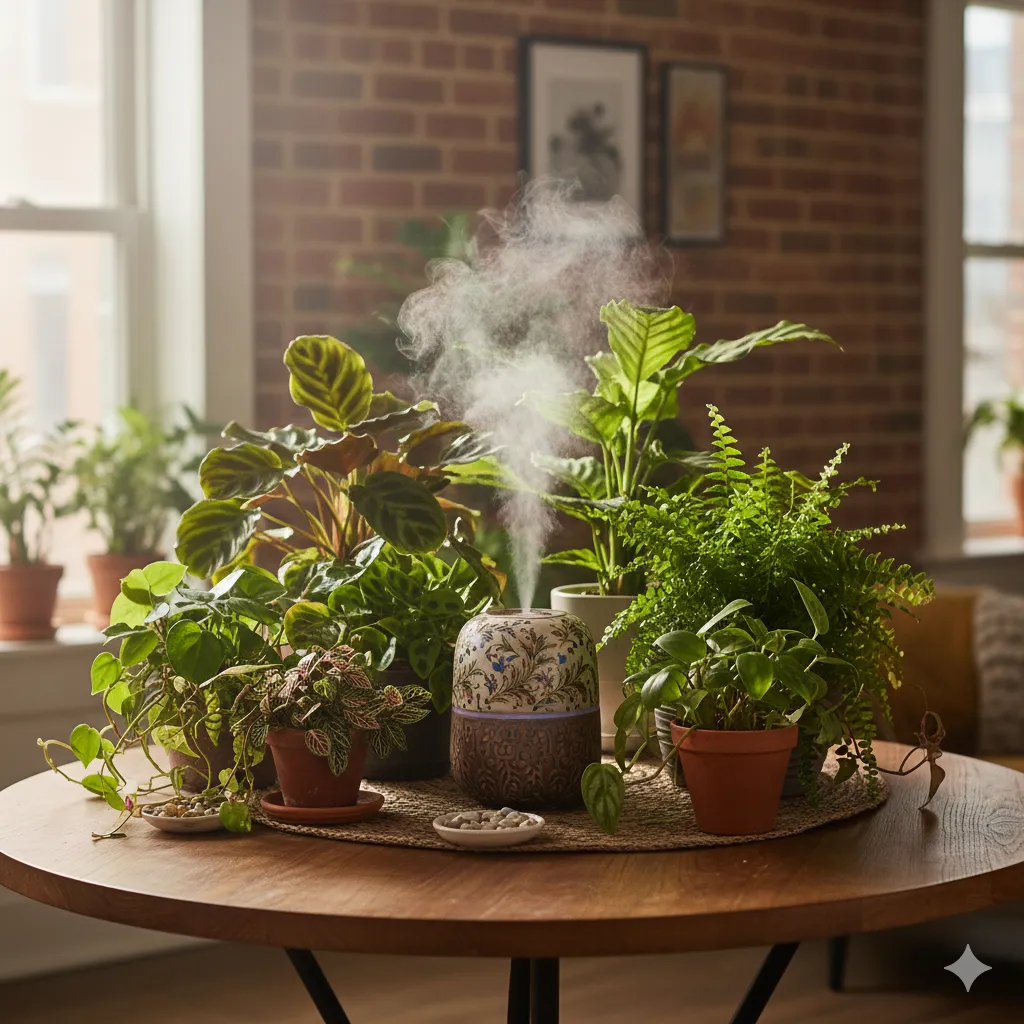
Houseplants grouped together for optimal humidity

Fertilising Guidelines

Container plants deplete soil nutrients over time and benefit from regular feeding during their growing season, typically spring through early autumn.

Choose Appropriate Fertiliser

Use balanced liquid fertiliser diluted to half strength for most houseplants. Specific plant types may benefit from specialised formulations.

Growing Season Feeding

Fertilise every two to four weeks during spring and summer when plants actively produce new growth and require additional nutrients.

Winter Dormancy

Reduce or eliminate fertiliser during autumn and winter when most houseplants enter dormancy and growth slows significantly.

Common Plant Problems

Recognising and addressing issues early prevents serious damage. Here are solutions to frequent houseplant challenges from presentartart.

Yellow Leaves

Usually indicates overwatering or poor drainage. Allow soil to dry between waterings and ensure adequate drainage holes in containers.

Brown Leaf Tips

Typically caused by low humidity, fluoride in water, or salt buildup from fertiliser. Increase humidity and flush soil periodically.

Drooping Leaves

Sign of underwatering or extreme temperature stress. Adjust watering schedule and move plants away from heat sources or cold drafts.

Pest Infestations

Inspect regularly for spider mites, aphids, and mealybugs. Isolate affected plants and treat with appropriate eco-friendly solutions.

Repotting and Soil

Most houseplants benefit from repotting every one to two years to refresh soil and provide room for root growth.

Signs to Repot

Roots growing through drainage holes, water running straight through the pot, or significantly slowed growth indicate repotting is needed.

Choose the Right Pot

Select a container only 2-5 centimetres larger in diameter than the current pot. Oversized pots retain excess moisture and increase rot risk.

Quality Soil Mix

Use well-draining potting mix appropriate for your plant type. Never use garden soil, which compacts and lacks proper drainage in containers.

Timing Matters

Repot during spring or early summer when plants enter active growth. Avoid repotting during dormancy or flowering periods when possible.

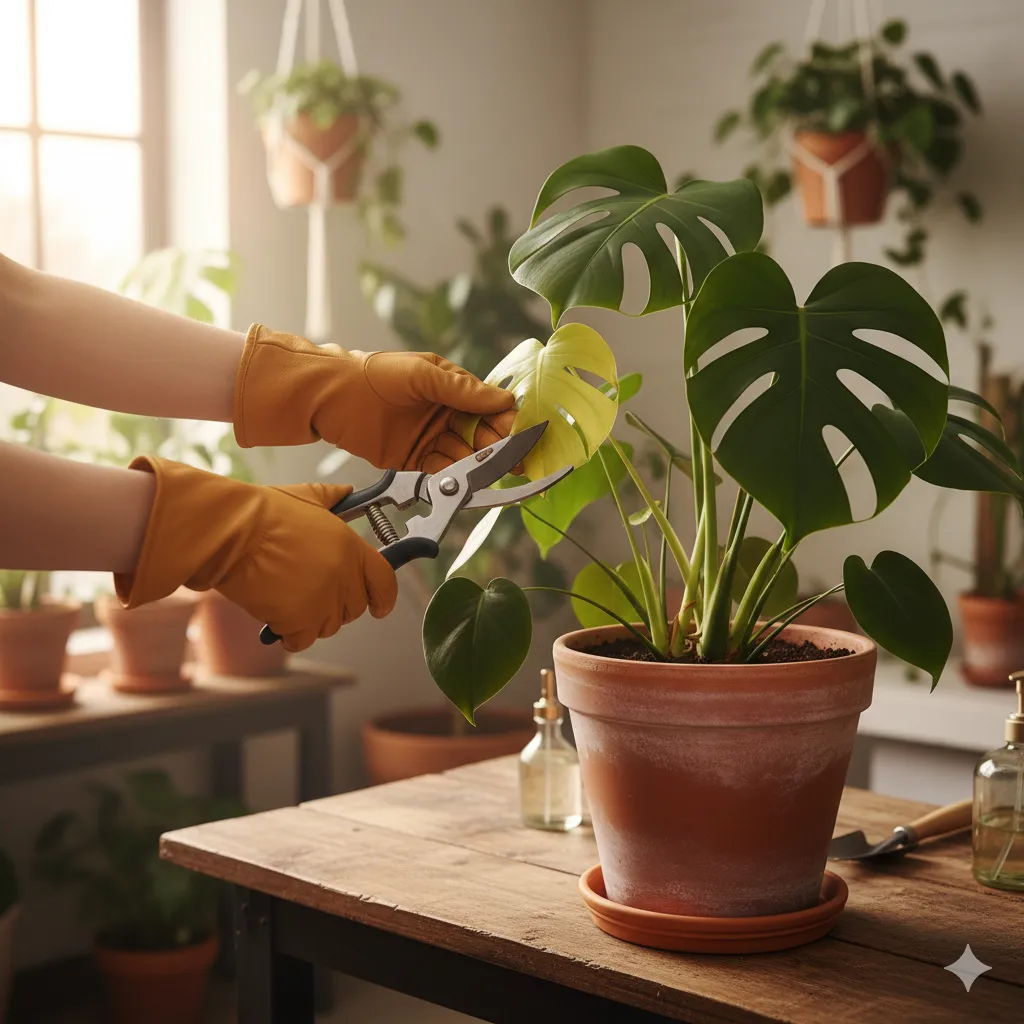
Person pruning houseplant with garden shears

Pruning and Maintenance

Regular pruning encourages bushier growth, removes damaged foliage, and maintains attractive plant shape. Use clean, sharp scissors or pruning shears to prevent disease transmission.

Remove yellow or brown leaves promptly as they cannot recover and drain energy from the plant. Cut just above a leaf node to encourage new growth at the pruning point.

Dust accumulation on leaves blocks light and reduces photosynthesis. Gently wipe leaves with a damp cloth monthly or shower plants with lukewarm water to keep foliage clean and healthy.

View Maintenance Plans

Plant Selection Tips

Choosing appropriate plants for your environment sets you up for success. Consider these factors when selecting houseplants from presentartart.

Assess Your Light

Observe natural light in different rooms throughout the day. Match plant light requirements to available conditions for healthy growth.

Consider Your Schedule

Choose low-maintenance varieties if you travel frequently or have limited time. Some plants tolerate neglect better than others.

Pet Safety

Research plant toxicity if you have pets or children. Many popular houseplants can cause illness if ingested by animals.

Space Planning

Research mature plant size before purchasing. Some species grow much larger than their initial nursery size and may outgrow their space.